Destination Weddings in France: How to Capture Every Unforgettable Moment
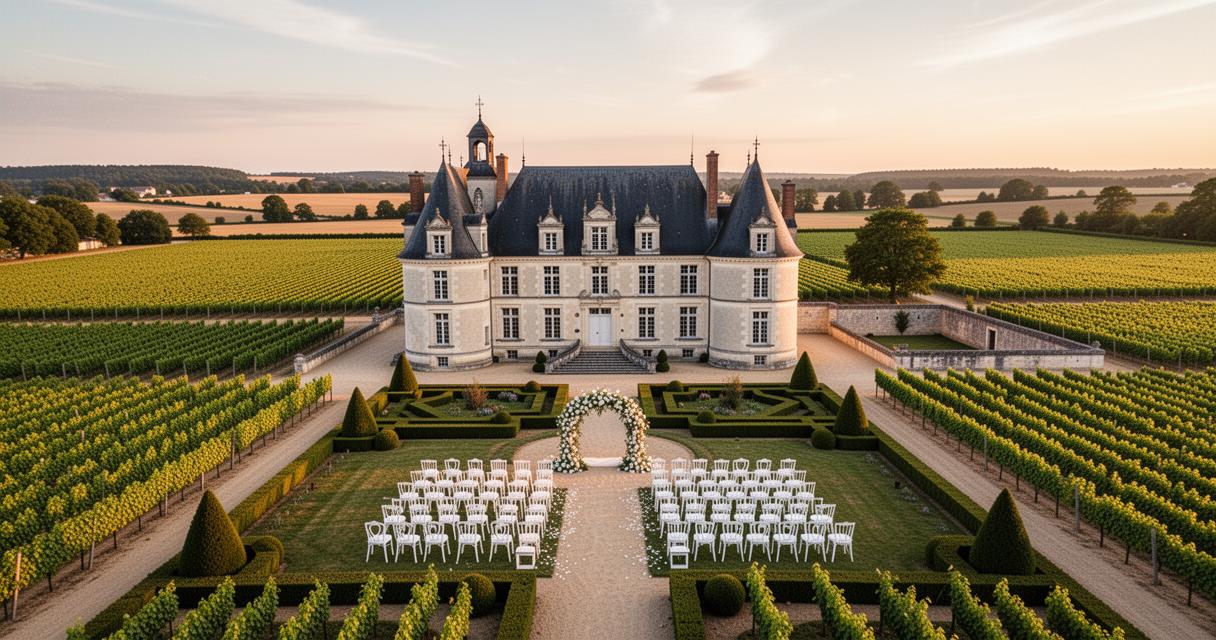
France has long been one of the most sought-after destinations for couples dreaming of a truly memorable wedding. From the rolling lavender fields of Provence to the elegant boulevards of Paris, the country offers a richness of setting, culture and light that few places on earth can rival. Yet beyond the venue and the flowers, what endures long after the final dance is the photography — the images that distil the emotion, atmosphere and intimacy of the day into something lasting and deeply personal.
Key points
- France offers diverse photographic backdrops, ranging from the sun-drenched lavender fields of Provence to the urban elegance of Parisian rooftops.
- Choosing a professional photographer with local knowledge is essential for understanding how natural light behaves across different French regions and times of day.
- The peak wedding season from May to September requires strategic planning around the ‘golden hour’ to ensure the best possible light for portraits.
- Successful wedding photography in France relies on a collaborative process where the photographer learns the couple’s story and the venue’s unique character well in advance.
- Understanding the specific rhythm of French traditions, such as ‘Le Vin d’Honneur’ and late-night celebrations, allows photographers to anticipate and capture key moments naturally.
- Exceptional wedding imagery strikes a balance between formal posed portraits and the candid, unguarded moments that carry the most emotional weight.
- Investing in an experienced photographer ensures that the visual narrative of the day is documented with care and authenticity, creating lasting memories that endure beyond the event.
Choosing the Right French Setting for Your Wedding Photography
When planning a destination wedding in France, the backdrop you choose will profoundly shape not only the experience itself but the visual story your photographer is able to tell. France is extraordinarily varied in its landscapes and architecture, and that variety translates into an equally rich range of photographic possibilities. Working with a skilled wedding photographer in france means having someone who understands how to read a location — its angles, its shadows, its soul — and translate that into images that feel honest rather than staged.
From provence lavender fields to parisian rooftops: finding your perfect backdrop
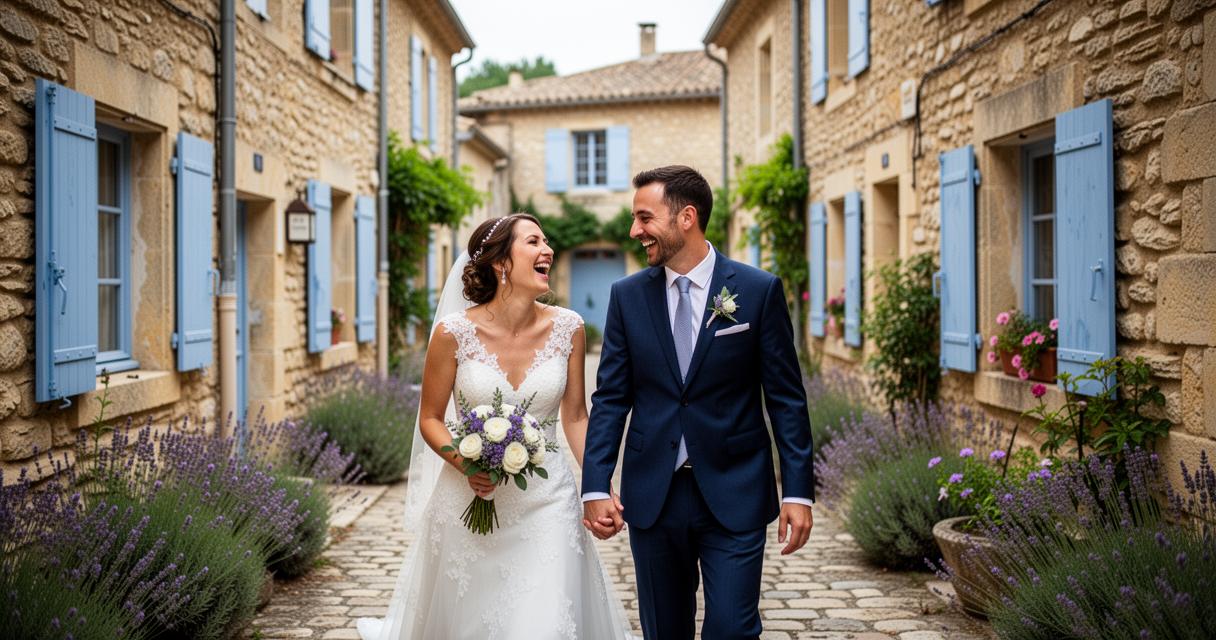
The choice of region is one of the most consequential decisions a couple can make. The South of France, and Provence in particular, lends itself to photographs steeped in warmth and colour, with sun-bleached stone walls and rows of lavender offering a painterly quality of light. A chateau wedding in the Loire Valley, by contrast, brings grandeur and romance in equal measure — the kind of setting where architectural detail and landscaped grounds create a natural sense of occasion. Paris, meanwhile, rewards couples who want something more urban and refined, where rooftops and courtyard gardens offer intimate pockets of beauty amid the wider spectacle of the city. For those drawn to something more secluded, vineyards in Bordeaux or a private estate in the Dordogne can provide an extraordinary sense of stillness and connection.
A good professional wedding photographer will often advise on locations not merely for their aesthetic appeal but for the way they photograph at different times of day. The best romantic wedding locations in France are those that reward patience and an understanding of natural light — and that is precisely where experience and local knowledge prove invaluable.
How the Season and Light Shape Your Wedding Shots Across French Regions
The peak wedding season in France runs from May through to September, and the quality of light across these months varies considerably by region. In the South, the summer sun can be intense during midday, which is why seasoned photographers will often plan portrait sessions for the golden hour — that soft, amber light that falls in the late afternoon and early evening. Northern France and the Loire Valley enjoy a more temperate summer light, which can be remarkably flattering throughout the day. Couples planning an outdoor wedding reception should consider how the light moves across their venue during the hours they plan to use it, and discuss this in detail with their photographer well in advance. Even an elopement in France in the quieter months of April or October can yield strikingly beautiful imagery, with moodier skies and fewer crowds lending a sense of genuine intimacy to the photographs.
Working With Your Photographer to Tell the Full Story of Your French Wedding Day
Capturing a destination wedding in France is not simply a matter of showing up with a camera. The best wedding photography France has to offer comes from a collaborative process — one that begins long before the wedding day itself. A photographer who invests time in understanding the couple, the venue and the overall atmosphere they wish to create will be far better placed to capture the moments that matter most, including those that cannot be planned.
Planning your shot list around french venues, traditions and timings
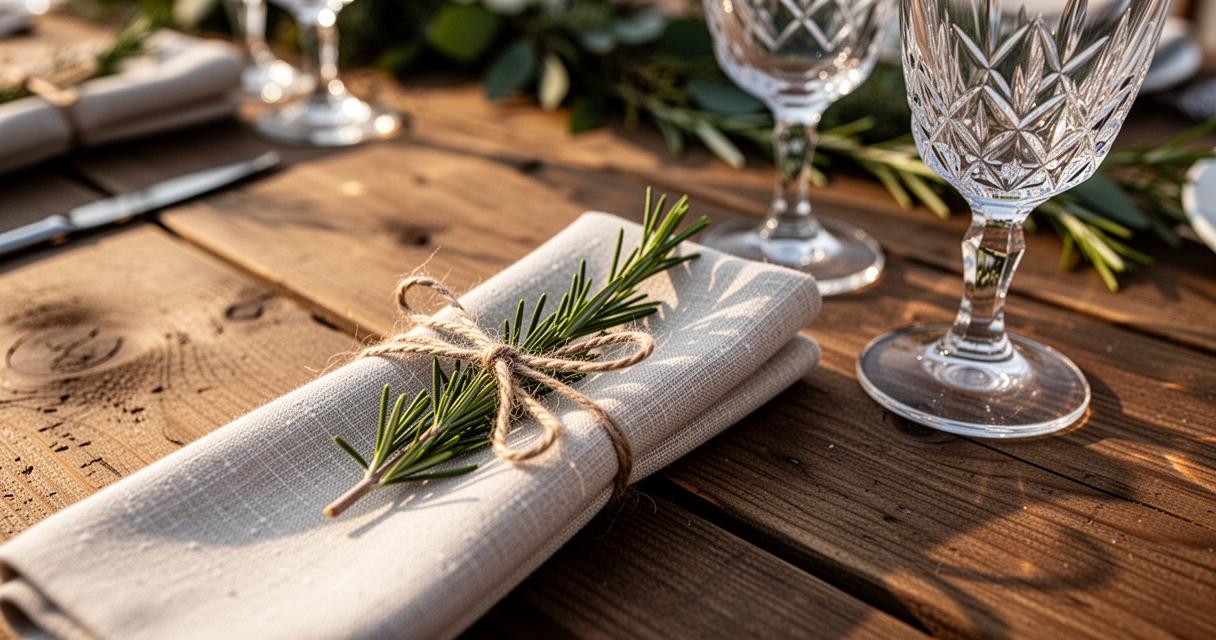
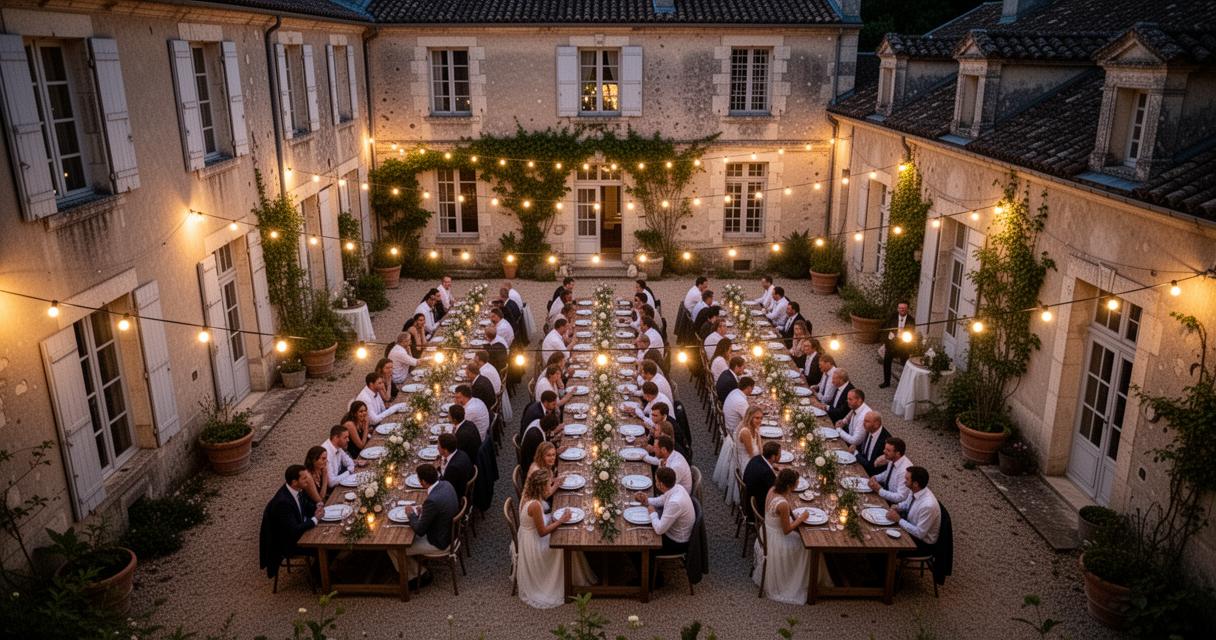
French weddings have a rhythm of their own, shaped by traditions that are both charming and logistically significant. The cocktail hour known as Le Vin d’Honneur is a moment of genuine warmth and social energy, and it offers a natural opportunity for candid photography as guests mingle and the couple begin to relax. Later in the evening, the tradition of serving a Croquembouche — a tower of choux pastry filled with cream — in place of a conventional wedding cake creates a visual centrepiece that is distinctly and delightfully French. A typical wedding planning guide for France will note that ceremonies often begin in the late afternoon, allowing the evening celebrations to unfold well into the night. A thoughtful photographer will map these rhythms carefully, ensuring that no key moment goes undocumented whilst remaining flexible enough to respond to the unexpected.
Bespoke wedding planning and photography go hand in hand when it comes to French wedding traditions. Understanding the structure of the day — the civil formalities at the mairie, the ceremony, the Vin d’Honneur, the dinner and the dancing — allows a photographer to anticipate transitions and position themselves accordingly. Wedding vendor coordination matters here too, as working smoothly with florists, caterers and planners ensures that the visual details are at their best when the camera arrives.
Candid Moments vs. Posed Portraits: Striking the Right Balance at a Destination Wedding
One of the defining qualities of exceptional wedding photography France is the balance between direction and spontaneity. Posed portraits have their place — they provide the formal, considered images that families treasure — but it is often the unguarded moments that carry the greatest emotional weight. A lingering glance, a burst of laughter during the speeches, the quiet tenderness of two people sharing a private word amid the noise of the reception: these are the images that endure. Based in Paris and specialising in international and queer couples, Vibrant Feelings approaches photography with precisely this balance in mind, producing images described as elegant, honest and deeply personal. The aim is to capture the invisible details of the moment — natural gestures, ambient energy — in a way that feels true to who the couple actually are, rather than a performance of who they think they should be. This approach, which combines thoughtful direction with genuine spontaneity, is especially well suited to the intimate celebrations and micro wedding formats that have grown in popularity across France.
For couples planning a luxury wedding or an elopement, investing in a photographer who understands both the cultural context of France and the personal story of the couple is one of the most meaningful decisions they can make. The images that result will outlast the flowers, the cake and the champagne — and they will do so precisely because they were made with care, intention and an eye for the truth of the moment.