Navigating the Legal Requirements to Marry: A Guide for Future Spouses

Planning a wedding is one of life’s most joyful undertakings, yet beneath the romance lies a framework of legal obligations that every couple must navigate carefully. Whether you are dreaming of a grand celebration or an intimate gathering, understanding the legal requirements to marry is an essential first step in your wedding planning journey. Getting to grips with the rules early on can save considerable stress further down the line and ensure your big day proceeds without a hitch.
At a glance
- Future spouses must meet specific civil law requirements, including minimum age thresholds and the necessity of free and full consent without duress.
- Legal capacity is verified by a registrar to ensure both parties are of sound mind and entering the union voluntarily.
- The civil code enforces strict prohibitions on marriage between individuals within certain degrees of kinship or family alliance.
- Couples must submit a complete administrative file to their local town hall, including birth certificates, proof of residence, and documentation regarding previous marital status.
- Couples may choose to formalize financial and property arrangements through a marriage contract prepared by a notary and submitted with their file.
- The mandatory publication of banns at the town hall serves as a formal public declaration, allowing for any legal objections to be raised before the ceremony.
- A civil ceremony performed at an official location must legally precede any religious celebration to ensure the marriage is valid under the law.
Essential Legal Conditions and Age Requirements for Future Spouses
Before any ceremony can take place, both future spouses must satisfy a number of fundamental legal conditions set out in civil law. These conditions are not mere formalities — they exist to protect the rights and wellbeing of everyone involved. At the heart of marriage preparation is the requirement that both individuals meet the minimum age threshold established by the civil code, which exists to ensure that no one enters into such a binding arrangement without the maturity to do so. In certain circumstances, the conditions surrounding age may involve the consent of parents or legal guardians, particularly when one or both parties is a minor.
Verifying Legal Capacity and Consent of Both Parties
Legal capacity is perhaps the most foundational condition of all. Both spouses must be of sound mind and must enter the union entirely of their own free will — this is sometimes described as the ability to consent freely and fully. Emotional intelligence and genuine mutual understanding play a significant role here, as the law requires that consent be given without duress, deception or coercion. A civil state officer, often referred to as a registrar, is responsible for verifying this capacity at the time of the ceremony. It is worth noting that the prosecutor of the republic holds authority to intervene in cases where the validity of consent is brought into question, acting as a safeguard within the legal constitution governing marriage.
Shared values and a solid foundation of communication skills are widely recognised as cornerstones of a lasting marriage. Research in the field of psychology suggests that choosing a partner who takes responsibility for their actions, communicates openly and demonstrates compatibility in terms of interests and outlook can significantly reduce future conflict. These are not merely sentimental considerations — they speak directly to the quality of consent and the genuine willingness of both parties to enter the marriage.
Understanding Kinship and Prohibited Degrees of Alliance
The civil code also sets out clear restrictions relating to kinship and alliance. Certain degrees of family connection — whether by blood or by a previous legal bond — are strictly prohibited when it comes to marriage. These wedding restrictions on kinship and alliance are outlined in specific articles of the civil code and are designed to uphold both ethical standards and public health considerations. A direct line of descent, for example, constitutes an absolute prohibition, as does marriage between siblings. Some prohibited degrees relating to alliance, however, may in exceptional circumstances be lifted by the republic’s authorities, though this is far from straightforward and requires formal review.
Preparing the Official Documentation for the Town Hall
Once both parties have confirmed they meet the fundamental conditions, the next stage of marriage guidance concerns the assembly of the required paperwork. The town hall — known in French administrative tradition as the mairie — is the central institution through which a civil marriage is formalised. Submitting a complete and accurate file to the relevant municipality is not optional; it is a prerequisite for any civil celebration to take place.

Gathering Birth Certificates and Proof of Residence
The documents required typically include an integral copy of each future spouse’s birth certificate, issued within a specified recent period to ensure the information is current. Proof of domicile or residence is equally important, as it establishes which municipality holds jurisdiction over the marriage. In practice, this means that the couple must marry in the municipality where at least one of them is domiciled or has maintained a residence for a sufficient period prior to the ceremony. If either party has been previously married, documentation confirming the dissolution of that union — whether through divorce or the death of a former spouse — must also be included in the file.
Drafting the Marriage Contract and Submitting the File
Couples also have the option of drafting a wedding contract, sometimes referred to as a marriage contract, which governs the financial and property arrangements between spouses. This document, prepared with a notary, must be submitted to the town hall alongside the rest of the file if the couple chooses a matrimonial regime other than the default legal arrangement. Understanding the contract terms thoroughly before signing is essential, as these conditions will govern the couple’s legal relationship from the moment they are united. Clear and honest communication between partners at this stage is invaluable, as is seeking appropriate legal advice where necessary.
Official Publication of Banns and Organising the Civil Ceremony
With the file submitted and accepted, the process moves into its final official phase. The publication of banns and the scheduling of the civil ceremony are the last administrative steps before the celebration itself can take place.

The Mandatory Publication of Banns by the Registrar
The publication of banns is a legal requirement that predates modern civil administration and remains firmly embedded in the civil code. Once the file has been verified, the civil state officer — the registrar — is required to publish a formal notice of the intended marriage. This publication is displayed at the town hall of the municipality concerned and must remain visible for a set period before the ceremony can proceed. The purpose of this custom is to allow any person aware of a legal obstacle to the marriage to bring it to the attention of the prosecutor of the republic. The banns serve, in essence, as a public declaration of intent, ensuring transparency within the civil system.
Selecting the Date and Place for the Civil Celebration
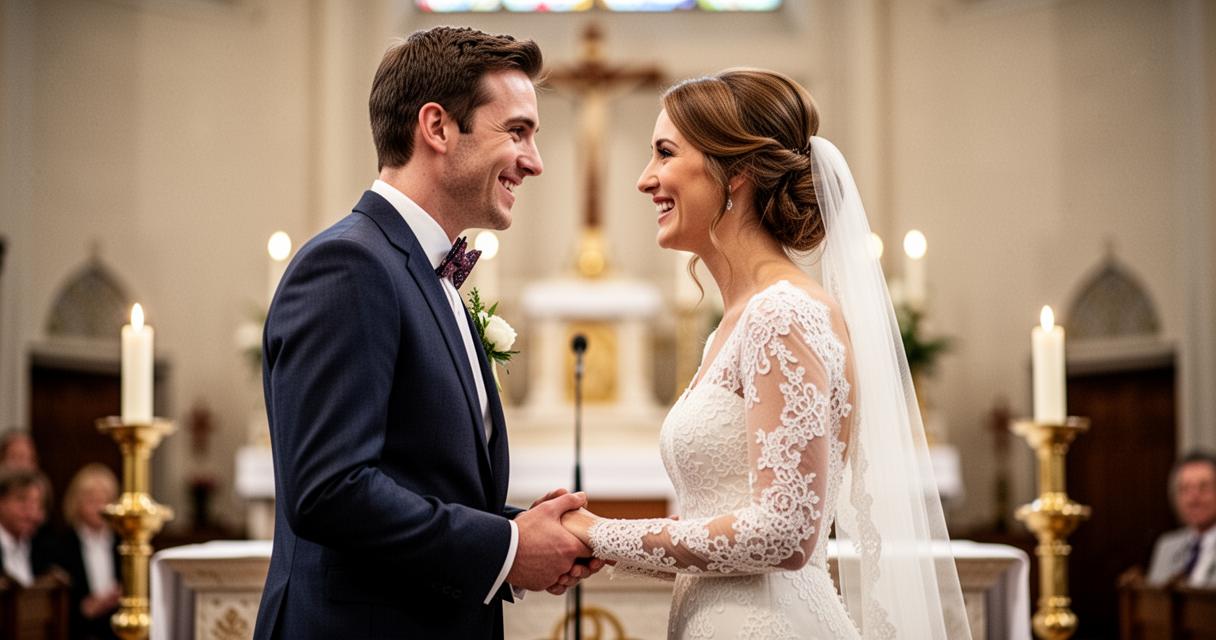
The choice of date and place for the civil celebration is agreed with the registrar once all conditions have been satisfied and the period of publication has elapsed. The ceremony itself must take place at the town hall or another officially designated location within the municipality. It is worth noting that while a religious ceremony may follow if the couple wishes, the civil marriage must always come first — no religious celebration holds legal weight without the civil union preceding it. Many couples choose to coordinate their civil and religious ceremonies thoughtfully, creating a meaningful sequence that reflects both their personal beliefs and their legal obligations. Whether you opt for a modest gathering or a grand event, ensuring that the wedding logistics align with the legal timeline is what ultimately allows the day to unfold seamlessly.